Discover how professional concrete cleaning transforms Middlesex County properties while protecting against New Jersey's harsh weather conditions.
Share:
Summary:
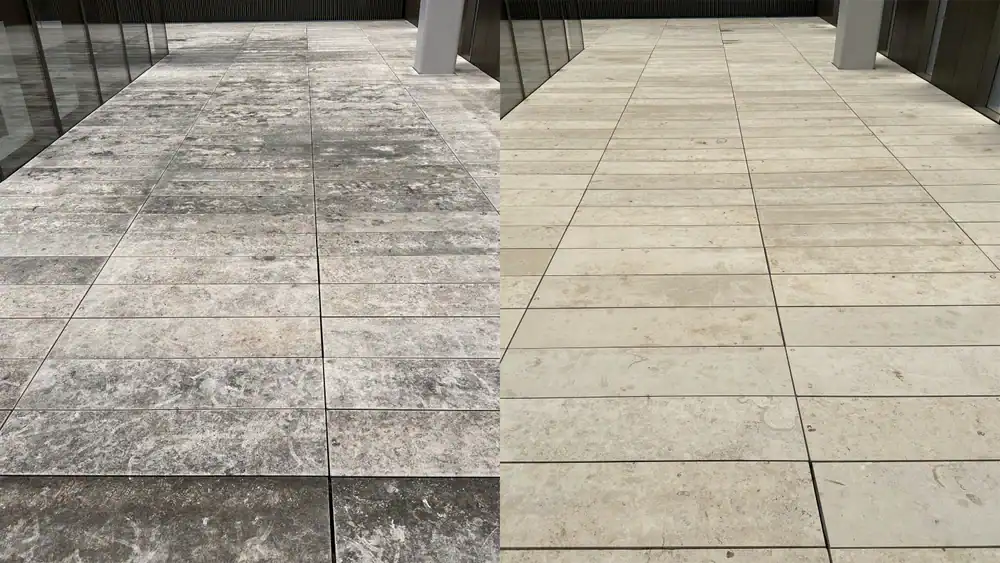
Middlesex County concrete faces a perfect storm of damaging conditions. Our winters bring repeated freeze-thaw cycles that crack and pit surfaces. Road salt penetrates deep into concrete pores, breaking down the structure from inside. Add in oil stains, mold, and everyday dirt, and your once-pristine surfaces become safety hazards and eyesores.
Professional concrete cleaning addresses these issues systematically. It removes embedded contaminants, restores original appearance, and creates a foundation for protective treatments. More importantly, clean concrete surfaces can add significant value to your property—studies show well-maintained exteriors contribute to property valuations that are 5-10% higher than comparable properties with neglected surfaces.
New Jersey’s climate creates a challenging environment for concrete surfaces. Winter temperatures regularly drop below freezing, then rise above it—sometimes multiple times in a single day. This freeze-thaw cycle is concrete’s biggest enemy.
Here’s what happens: concrete is porous, like a sponge. When water penetrates these pores and freezes, it expands by about 9%. This expansion creates internal pressure that cracks the concrete from within. Over time, these tiny cracks grow larger, allowing more water to penetrate and creating a cycle of accelerating damage.
Road salt makes the problem worse. While salt helps melt ice, it also sneaks into concrete pores and breaks down the material’s structure. The salt creates a brine solution that penetrates deeper than plain water, causing more extensive freeze-thaw damage. Many homeowners don’t realize their winter safety measures are actually accelerating concrete deterioration.
Spring and summer bring their own challenges. Moisture from rain and humidity supports mold and algae growth. These organisms don’t just stain your concrete—they create slippery surfaces that increase slip-and-fall risks. Oil stains from vehicles penetrate deep into the surface, becoming more permanent with each hot summer day.
The good news? Professional cleaning can reverse most of this damage. Specialized equipment and cleaning solutions remove embedded contaminants, while proper techniques restore the surface without causing additional harm. Regular maintenance prevents minor issues from becoming major problems.
New Jersey’s climate creates a challenging environment for concrete surfaces. Winter temperatures regularly drop below freezing, then rise above it—sometimes multiple times in a single day. This freeze-thaw cycle is concrete’s biggest enemy.
Here’s what happens: concrete is porous, like a sponge. When water penetrates these pores and freezes, it expands by about 9%. This expansion creates internal pressure that cracks the concrete from within. Over time, these tiny cracks grow larger, allowing more water to penetrate and creating a cycle of accelerating damage.
Road salt makes the problem worse. While salt helps melt ice, it also sneaks into concrete pores and breaks down the material’s structure. The salt creates a brine solution that penetrates deeper than plain water, causing more extensive freeze-thaw damage. Many homeowners don’t realize their winter safety measures are actually accelerating concrete deterioration.
Spring and summer bring their own challenges. Moisture from rain and humidity supports mold and algae growth. These organisms don’t just stain your concrete—they create slippery surfaces that increase slip-and-fall risks. Oil stains from vehicles penetrate deep into the surface, becoming more permanent with each hot summer day.
The good news? Professional cleaning can reverse most of this damage. Specialized equipment and cleaning solutions remove embedded contaminants, while proper techniques restore the surface without causing additional harm. Regular maintenance prevents minor issues from becoming major problems.
Want live answers?
Connect with a Fresh Wash 1 expert for fast, friendly support.
Many Middlesex County property owners attempt concrete cleaning themselves, often with disappointing results. The difference between professional and DIY approaches goes beyond equipment—it’s about understanding concrete science and local conditions.
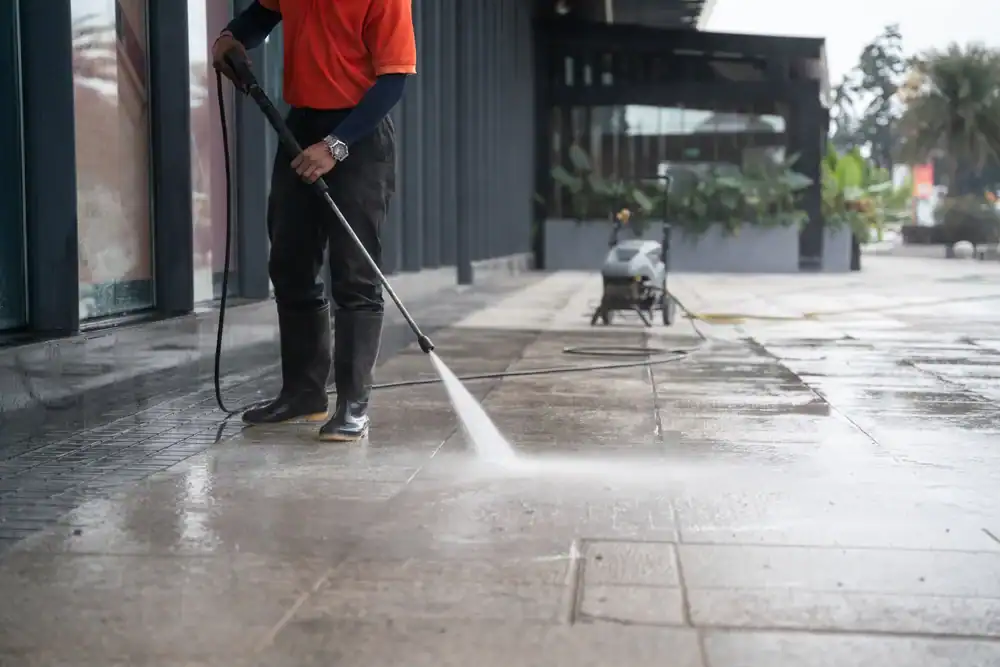
We use specialized equipment calibrated for different surface types and contamination levels. Hot water systems, surface cleaners, and professional-grade detergents remove stains that household pressure washers can’t touch. More importantly, we know how to clean effectively without damaging the surface—a common problem with DIY attempts.
Effective concrete cleaning requires understanding how different contaminants bond with concrete surfaces. Oil stains penetrate deep into pores and require specific solvents and heat to remove completely. Mold and algae need antimicrobial treatments that prevent regrowth. Salt deposits require neutralizing agents that stop ongoing damage.
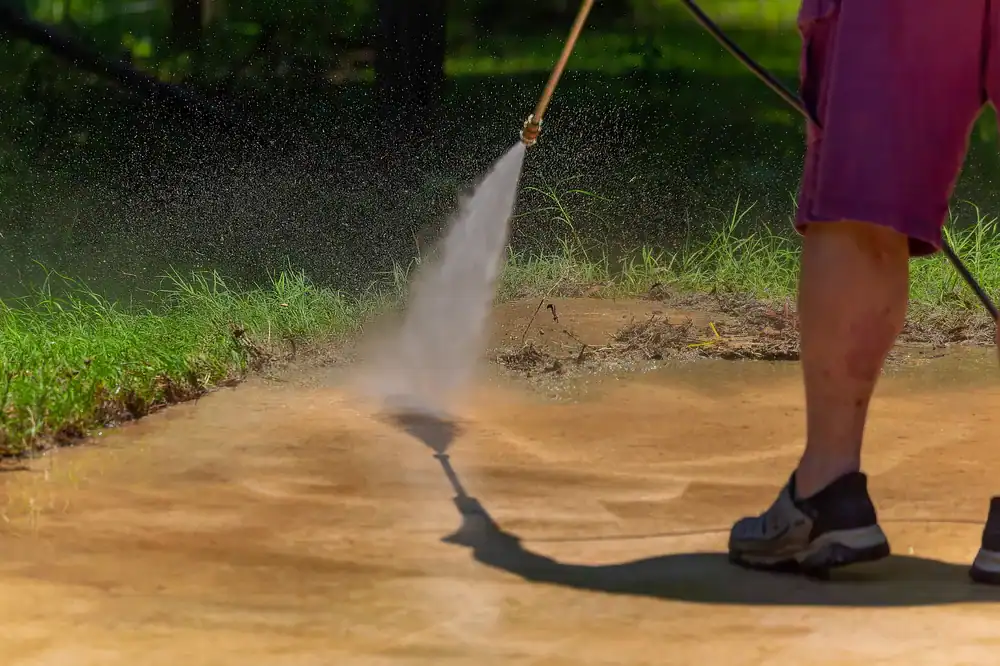
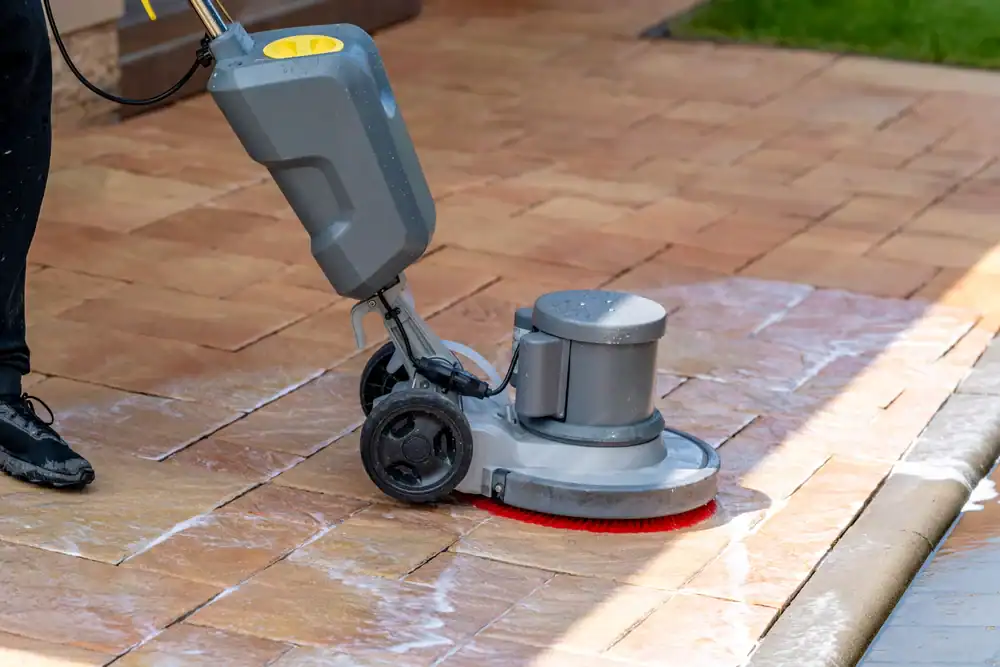
Our professional equipment makes a crucial difference. Commercial hot water pressure washers operate at temperatures up to 200°F, breaking down stubborn stains that cold water can’t touch. Surface cleaners provide even pressure distribution, preventing the “tiger striping” that occurs when wand attachments are used incorrectly.
Water pressure adjustment is critical and often misunderstood. Too little pressure leaves stains behind. Too much pressure damages the concrete surface, creating a rougher texture that attracts dirt faster. We adjust pressure based on concrete age, condition, and contamination type.
Chemical knowledge separates professionals from DIY attempts. Different stains require different treatments. Rust stains need acid-based cleaners, while oil stains require alkaline degreasers. Using the wrong chemical can set stains permanently or damage the concrete. We carry multiple cleaning agents and know which to use when.
Environmental considerations matter too. We use professional-grade eco-friendly cleaners that are more effective than consumer products while protecting landscaping and groundwater. Proper containment and disposal of wash water prevents contamination of storm drains and waterways.
Our cleaning process follows specific steps: surface preparation, pre-treatment of stains, systematic cleaning with appropriate pressure and temperature, post-treatment rinsing, and final inspection. Skipping steps or rushing the process produces inferior results.
Well-intentioned DIY concrete cleaning often causes more problems than it solves. Understanding these common mistakes helps explain why professional service provides better value despite higher upfront costs.
Pressure setting errors top the list. Consumer pressure washers often lack proper pressure controls, leading to surface damage. “Tiger striping” occurs when inconsistent pressure creates permanent light and dark stripes across the surface. This damage requires professional restoration or surface replacement.
Chemical misuse is equally problematic. Muriatic acid, commonly recommended for concrete cleaning, can permanently etch surfaces if used incorrectly. Bleach products may remove some stains but don’t address underlying contamination, leading to rapid re-staining. Mixing incompatible chemicals creates dangerous reactions and unpredictable results.
Timing mistakes compound other problems. Cleaning concrete in direct sunlight causes rapid evaporation, leaving chemical residues and water spots. Cleaning when temperatures are too low prevents proper chemical reactions. Inadequate drying time before applying sealers traps moisture and leads to coating failure.
Equipment limitations become apparent with stubborn stains. Consumer pressure washers typically operate at 1,500-3,000 PSI with cold water. Professional equipment operates at 3,000-4,000+ PSI with water heated to 200°F. This difference in cleaning power is significant—what takes us 30 minutes might take DIY attempts several hours with inferior results.
Surface preparation oversights create lasting problems. Failing to remove loose material, not protecting adjacent surfaces, or inadequate pre-wetting can lead to chemical damage, staining of nearby materials, or incomplete cleaning. Professional preparation ensures optimal results and prevents collateral damage.
The hidden cost of DIY mistakes often exceeds professional service costs. Surface damage from improper pressure or chemicals may require expensive repairs. Incomplete cleaning wastes time and materials. Chemical injuries or property damage create additional expenses and liability concerns.
Your concrete surfaces represent a significant investment in your property’s functionality and value. Middlesex County’s challenging climate makes professional maintenance essential, not optional. The choice isn’t whether to maintain your concrete—it’s whether to maintain it properly or replace it prematurely.
Professional concrete cleaning provides measurable returns through enhanced property value, extended surface life, and improved safety. When you factor in liability protection and the peace of mind that comes with proper maintenance, the investment pays for itself many times over.
We understand Middlesex County’s unique challenges and provide eco-friendly solutions that protect your property and the environment. Don’t let another season of weather damage diminish your property’s value—take action now to restore and protect your concrete surfaces.
Article details:
Share:
Continue learning: